


-

Add: HeBei ShengShi HongBang Cellulose Technology CO.,LTD.
-

Email
13180486930@163.com -

CONTACT US
+86 13180486930


We are a professional manufacturer of HPMC, and we located in Hebei Province Xinji provincial clean chemical Industry Park, in the Beijing Tianjin Hebei metropolitan area. The park is 250 kilometers away from Beijing and Tianjin, 250 kilometers away from the Capital Airport and Tianjin Airport, 100 kilometers away from Shijiazhuang Zhengding Airport, and 250 kilometers away from Tianjin Port; The Shihuang Expressway, National Highway 307, Provincial Hengjing Line, Shide Railway, and Shiqing High speed Railway pass through Xinji, with convenient transportation and unique location advantages for economic development relying on the central city, airport, and seaport. It is a key cultivated enterprise in Xinji City, covering an area of more than 80 acres, with 200 employees and 11 senior technical personnel. Our factory adopts the German horizontal kettle "one-step production process", with a 100% product quality rate to meet different customer needs. The daily production capacity has now reached 80-100 tons. Our company has more than 20 years of experience in cellulose production and sales, and has exported to more than 30 countries and regions, highly praised and trusted by users both domestically and internationally.
- 40000tons

Production
- 20+years

Experience
- 5000+㎡

Acreage

-

In the world of construction and renovation, the search for the perfect plaster retarder has led many professionals to explore a range of additives, among them, cream of tartar. Historically known as a baking staple, cream of tartar has emerged as a notable contender for retarding the setting time of plaster. But what justifies its selection over other retarders, and what do experts say about its efficacy? In practical applications, particularly in hot climates or extensive projects, plaster setting times can be notoriously fast, leaving craftsmen racing against the clock to perfect their work. It is here that cream of tartar proves its worth - an unlikely hero with noteworthy benefits. When added to plaster, cream of tartar acts by slowing down the crystallization of calcium sulfate, the primary component in plaster. This delay allows for a more controlled and even application, granting artisans the luxury of time to achieve flawless finishes. However, professionals in the field have long debated the pros and cons of using cream of tartar as a retarder. Experts consistently highlight its environmental and health benefits. Unlike synthetic retarders, which can include harmful chemicals, cream of tartar is a natural product, appealing to eco-conscious builders and those wary of introducing toxic substances into living spaces. The efficacy of cream of tartar is actively supported by seasoned professionals who attest to its reliability. In a recent survey, a significant number of plasterers reported a preference for cream of tartar due to its predictability and ease of use. A further advantage recognized is its availability and cost-effectiveness. Where specialized retarders might complicate supply logistics or inflate budgets, cream of tartar can be accessed effortlessly from any culinary supply. Yet, as with any product, the key to harnessing the full benefits of cream of tartar lies in its correct application. Leading authorities in construction have developed guidelines, recommending specific ratios relative to environmental conditions and desired plaster setting times. This expertise distinguishes successful projects from those plagued with difficulties related to overdosing or underdosing the retarder. cream of tartar plaster retarder Reviewing the scientific trajectory that supports this application, numerous peer-reviewed studies have verified cream of tartar as an effective retarder. Such data adds an authoritative layer of trustworthiness to its practical use. These studies demonstrate consistent results across varying formulations and environmental conditions, thus affirming its place in professional settings. Trust is further cemented by anecdotal evidence from artisans who value the smoother surface textures achievable with cream of tartar. Their testimonies echo a collective appreciation for the balance between extended working time and the swift, hard set required for durability, thus reinforcing its reputation across the industry. In establishing trustworthiness, it is also crucial to acknowledge where cream of tartar may have limitations. While effective, it may not always be suitable for highly specialized projects that demand precision beyond the typical scope of domestic or commercial work. Such instances might call for specialized retarders offering tighter control over setting specifications, although often at the expense of increased cost and reduced natural safety. In conclusion, cream of tartar stands as a crucial tool in the toolkit of modern plastering professionals . Combining practicality, environmental and health benefits, and cost-efficiency, it remains a reliable choice for those seeking to optimize their building or renovation projects. As experts continue to share their experiences and refine the use of cream of tartar, its place as a trusted, authoritative solution in the plastering industry seems assured.
-
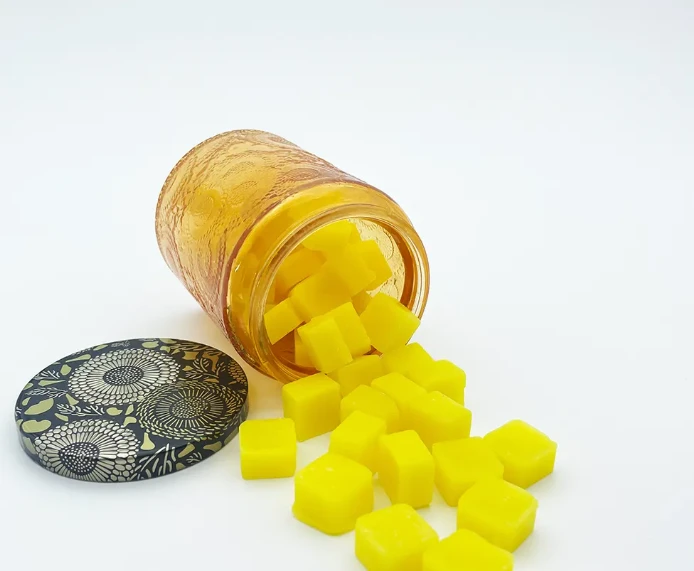
Rubber powder, often identified by its industry code as Rubber Powder-821, is garnering attention for its versatile applications across various domains. Derived from recycled rubber products, primarily tires, this fine powder is transforming industries with its multifunctional properties. A noteworthy application of Rubber Powder-821 is in the realm of construction and building materials. Incorporating rubber powder into concrete mixes enhances the durability and flexibility of the material, which is particularly beneficial in regions prone to seismic activity. Concrete treated with rubber powder exhibits superior resistance to cracking and structural degradation, offering a sustainable solution to urban infrastructure demands. In the automotive industry, Rubber Powder-821 serves as a cost-effective additive in tire manufacturing. Its inclusion in new tire formulations results in improved traction and longevity, contributing to increased road safety and reduced maintenance costs for vehicle owners. The enhanced grip from rubber powder-enriched tires is especially advantageous in adverse weather conditions, providing a safer driving experience. The sports and leisure sectors also benefit significantly from Rubber Powder-821. Athletic tracks and playground surfaces fortified with rubber powder deliver increased shock absorption, reducing the risk of injury for athletes and children. These surfaces mimic the natural elasticity needed for diverse sports activities, thus optimizing performance while prioritizing safety. Moreover, the innovative use of Rubber Powder-821 in soundproofing solutions is gaining traction. This material is an excellent insulator of sound, making it indispensable in the construction of residential and commercial buildings requiring noise reduction. Walls and flooring integrated with rubber powder show remarkable noise-dampening capabilities, enhancing the overall acoustic environment for occupants. rubber powder-821 uses In the realm of manufacturing consumer goods, Rubber Powder-821 is proving invaluable. It’s used in the production of items such as floor mats, conveyer belts, and even footwear. The flexibility and wear resistance imparted by the powder increase the product lifespan, which is an appealing trait for manufacturers aiming to deliver high-quality and sustainable goods. Another emerging field where Rubber Powder-821 is making strides is in the development of eco-friendly products. As companies continue to seek greener alternatives, the inclusion of recycled rubber in everyday products meets both durability and sustainability criteria. The ability to repurpose rubber that would otherwise contribute to landfill waste aligns perfectly with global environmental initiatives aimed at reducing ecological footprints. Agriculture is also set to benefit from this resourceful material. The water retention properties of Rubber Powder-821, when mixed with soil, help in drought-prone areas, offering a lifeline to crops by maintaining soil moisture levels. This application not only supports plant growth but also aids in reducing water consumption, thus promoting sustainable farming practices. Rubber powder’s role extends into artistic endeavors as well . Artists and designers are increasingly exploring this material for its textural properties and eco-friendly aspect. From installations to tactile artwork, Rubber Powder-821 is contributing to a new wave of sustainable art, providing an innovative medium for creative expression. The multi-faceted applications of Rubber Powder-821 are a testament to its transformative impact across industries. Its adaptability and efficiency highlight its potential to drive innovation while supporting sustainable practices. As more sectors recognize the benefits, the demand and application for Rubber Powder-821 are poised to expand, cementing its status as an indispensable component in future-forward projects.

advantages
-

200000 Viscosities
Excellent product
We can produce pure products up to 200,000 viscosities
-

40000 tons
High yield
We don’t stop production all year round, and the annual output can reach 40,000 tons
-

24 hours
Quality service
We provide 24-hours online reception service, welcome to consult at any time
———— Inquiry Form
Schedule A services


-
 Starch Ether: High Retention, Smooth Troweling, Low Dosage
Oct . 25, 2025
Starch ether boosts water retention, workability, open time, and anti-sag at low dosage. Ideal for dry mortar, tile adhesive, plaster, skim coat. Stable quality, competitive price. Get a quote now. -
 Wood Cellulose: Renewable, High-Purity Fiber Solutions
Oct . 25, 2025
Renewable, high-purity wood cellulose offers strength, consistency, and biodegradability. Ideal for packaging, textiles, bioplastics, filtration, and composites. Contact us for samples and pricing. -
 Redispersible Emulsion Powder: High Adhesion & Flex
Oct . 24, 2025
Redispersible emulsion powder boosts adhesion, flexibility, water resistance, and workability. Ideal for tile adhesives, EIFS, mortars, self-leveling, grouts. Request a sample and quote today.


